
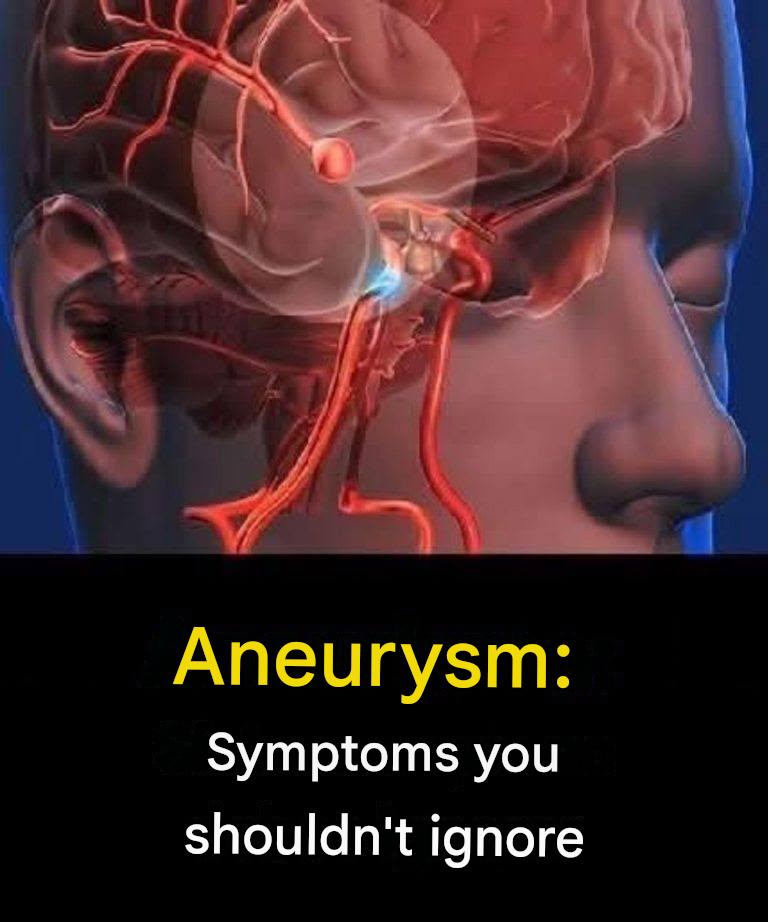
An aneurysm can develop quietly inside the body without causing obvious symptoms. In some cases, a person may not know anything is wrong until the condition becomes serious.
That is one reason aneurysms can be so frightening.
But there are also many misconceptions surrounding them. An aneurysm isn’t exclusively a condition affecting older adults, and the absence of symptoms doesn’t necessarily mean there is no risk.
Here’s what you should know.
What Exactly Is an Aneurysm?
An aneurysm occurs when part of a blood vessel wall becomes weakened and begins to bulge or widen.
Aneurysms can develop in different parts of the body, including major arteries such as the aorta and blood vessels in the brain.
Some remain stable for years. Others can enlarge and, in certain circumstances, rupture.
A rupture can cause severe internal bleeding or bleeding around the brain, depending on where the aneurysm is located.
Myth #1: Aneurysms Only Affect Older People
Age is an important risk factor, but aneurysms aren’t exclusively an older person’s problem.
Blood vessels naturally change as we age, and years of vascular damage can increase the likelihood of an aneurysm.
However, younger people can also develop aneurysms.
Certain inherited conditions that affect connective tissue, congenital abnormalities of blood vessels, family history, smoking, and uncontrolled high blood pressure can all contribute to risk.
So age alone doesn’t determine whether someone can develop an aneurysm.
Myth #2: No Symptoms Means No Danger
This is one of the most important misconceptions.
Many aneurysms cause no symptoms while they remain unruptured.
That means someone can feel completely normal while an aneurysm is present.
Symptoms may appear if an aneurysm becomes large enough to press against surrounding structures, or if it begins leaking or ruptures.
This is why sudden, unusual symptoms should never be dismissed simply because a person has previously felt healthy.
Warning Signs Can Depend on Location
There isn’t one universal symptom that identifies every aneurysm.
The signs can vary depending on where the aneurysm develops.
For example, an aneurysm in the brain may cause neurological symptoms if it presses on nearby structures or bleeds.
An aortic aneurysm may produce pain in the chest, back, or abdomen in some circumstances.
But symptoms alone cannot reliably determine whether someone has an aneurysm.
Only appropriate medical evaluation and imaging can establish a diagnosis.
Sudden Severe Headache Can Be an Emergency
A sudden, extremely severe headache—particularly one that reaches maximum intensity very quickly—can be a warning sign of bleeding in or around the brain.
It may occur with other symptoms such as:
- Vomiting or severe nausea
- Neck stiffness
- Loss of consciousness
- Confusion
- Difficulty speaking
- Weakness or numbness
- Vision problems
- Seizures
These symptoms require immediate emergency medical attention.
Do not wait to see whether they disappear.
Chest, Back, or Abdominal Pain Shouldn’t Always Be Ignored
Certain aortic aneurysms may cause pain in the chest, back, or abdomen.
The pain can sometimes be sudden and severe, particularly if a complication such as dissection or rupture occurs.
A sudden, severe pain that feels unusual—especially when accompanied by fainting, weakness, sweating, difficulty breathing, or other alarming symptoms—should be treated as an emergency.
What Increases the Risk?
Several factors can increase the likelihood of developing an aneurysm.
These include:
High Blood Pressure
Persistently elevated blood pressure places additional stress on artery walls.
Keeping blood pressure under control is therefore an important part of cardiovascular health.
Smoking
Smoking is strongly associated with damage to blood vessels and increased risk of certain aneurysms.
Stopping smoking is one of the most meaningful steps a person can take to protect vascular health.
Family History
Some aneurysms have a hereditary component.
If close family members have experienced certain types of aneurysms, discussing your family history with a healthcare professional may be worthwhile.
Age
Risk generally increases with age because blood vessels undergo structural changes over time.
But, as mentioned earlier, aneurysms can occur in younger people too.
Certain Genetic Conditions
Some inherited connective-tissue disorders can weaken blood vessel walls and increase aneurysm risk.
People with known genetic conditions associated with vascular problems may require specialized medical monitoring.
Can You Prevent an Aneurysm?
Not every aneurysm can be prevented.
Some risk factors, such as genetics and age, cannot be changed.
However, several lifestyle choices can help protect your blood vessels.
These include:
- Avoiding tobacco
- Managing blood pressure
- Maintaining a healthy weight
- Exercising regularly
- Eating a balanced diet
- Managing cholesterol when necessary
- Following medical advice if you have cardiovascular risk factors
These measures don’t guarantee that an aneurysm will never develop, but they can support overall vascular health.
Don’t Try to Diagnose Yourself
One of the biggest mistakes is assuming that a particular symptom automatically means an aneurysm—or assuming that the absence of symptoms proves everything is fine.
Neither approach is reliable.
Aneurysms often require imaging tests to detect, and different types of aneurysms have different risk factors and treatment approaches.
If you have concerns because of your symptoms, family history, or known risk factors, speak with a healthcare professional.
When to Seek Emergency Help
Some symptoms should never be watched at home.
Seek emergency medical care for symptoms such as:
A sudden, severe headache unlike anything you’ve experienced before, especially if accompanied by neurological symptoms.
Also seek emergency help for sudden severe chest, back, or abdominal pain, particularly if it occurs with fainting, weakness, difficulty breathing, or other serious symptoms.
Time can matter when a blood vessel problem is causing an emergency.
The Bottom Line
Aneurysms can be difficult to detect because many produce no symptoms before complications occur.
They aren’t limited to elderly people, and feeling healthy doesn’t necessarily rule one out.
The best approach is to understand your risk factors, control the factors you can change, and take sudden severe symptoms seriously.
Knowing the warning signs isn’t about living in fear—it’s about knowing when a symptom deserves immediate attention.