
Finding signs of rats inside your home can be unsettling. Droppings in a cupboard, scratching sounds at night, chewed food packaging, or gnaw marks can quickly make you wonder how to get rid of them.
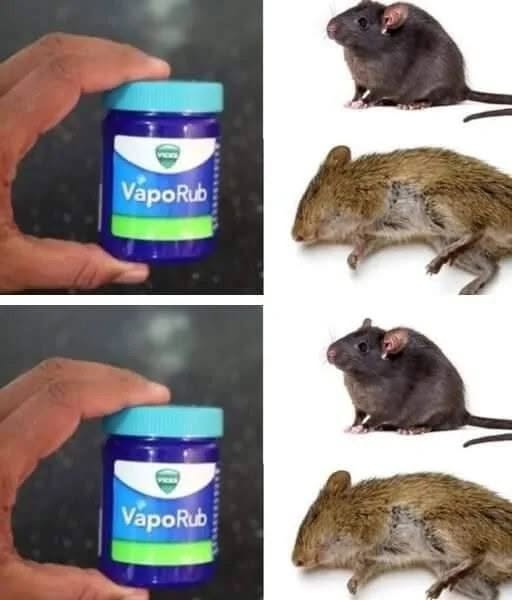
One unusual home remedy making the rounds online involves Vicks VapoRub, baking soda, and crushed sweet biscuits. The idea is that the biscuits attract rodents while the other ingredients supposedly make the mixture unpleasant or harmful to them.
But does this really work
The Viral Vicks Rat Remedy
The recipe circulating online calls for crushed sweet biscuits, baking soda, and a small amount of Vicks VapoRub. The ingredients are mixed into small portions and placed where rats are thought to be active. The article claims that the smell and ingredients will discourage rodents from returning.
It sounds simple, inexpensive, and convenient.
The problem is that there isn’t good evidence that this homemade mixture provides reliable rodent control.
Rather than depending on an unproven remedy, homeowners should focus on the things that make a real difference: blocking entry points, removing food sources, and using appropriate traps.
Why Rats Keep Coming Back
Rats don’t enter homes simply because they like the environment.
They’re usually looking for three basic things:
- Food
- Water
- Shelter
Even a small amount of spilled food, uncovered garbage, pet food, or accessible pantry items can encourage rodents to stay.
That’s why removing the attraction is just as important as dealing with the rats already inside.
The CDC recommends keeping food and water in tightly sealed containers, removing trash promptly, and eliminating debris that can provide hiding or nesting areas.
The Most Important Step: Seal Their Entry Points
You can trap rodents repeatedly, but if they can still enter your home, the problem may continue.
Inspect areas around:
- Pipes and plumbing
- Doors and windows
- Foundations
- Vents
- Garages
- Rooflines
- Utility openings
- Cracks around walls and floors
The CDC recommends sealing openings to prevent rodents from entering buildings. Rats and mice can squeeze through surprisingly small gaps.
Pay particular attention to places where pipes or cables pass through walls.
Keep Food Out of Reach
A clean kitchen doesn’t necessarily mean a rodent-proof kitchen.
Food should be stored in containers that rodents cannot easily chew through. The CDC recommends thick plastic, glass, or metal containers with tight-fitting lids for food and water storage.
Also remember to:
- Clean crumbs and food spills quickly
- Keep garbage in containers with secure lids
- Avoid leaving pet food out overnight
- Clean around appliances
- Don’t leave dirty dishes sitting for long periods
- Store grains and dry foods securely
Small changes can make your home much less attractive to rodents.
What About Traps?
For an existing infestation, traps can be more reliable than homemade repellents.
CDC guidance recommends spring-loaded snap traps for controlling rodents around the home.
Placement matters. Traps are generally more effective when positioned along walls or in areas where there are clear signs of rodent activity.
Keep traps completely inaccessible to children and pets.
Don’t Ignore Droppings
Rat and mouse droppings aren’t simply a cleaning nuisance.
Rodents can carry diseases, and people can become infected through contact with contaminated urine, feces, saliva, or nesting material.
If you discover a significant amount of rodent waste, avoid disturbing it unnecessarily.
Proper cleaning and disinfection are important, particularly when there is a heavy infestation.
Should You Use Vicks as a Repellent?
The strong smell of menthol and other aromatic ingredients may seem like a logical way to discourage rodents.
However, a strong smell isn’t the same thing as proven rodent control.
If you want to try a household scent as a temporary deterrent, don’t treat it as a substitute for sealing entry points and controlling the infestation.
The most dependable approach is to remove access to food and shelter while preventing rodents from getting back inside.
When the Problem Is Bigger Than a Home Remedy
If you’re seeing rats during the daytime, finding large amounts of droppings, hearing frequent scratching in walls or ceilings, or repeatedly discovering new signs of activity, you may be dealing with a larger infestation.
In that situation, professional pest control may be the better option.
A professional can identify entry points, determine the extent of the infestation, and recommend an appropriate control strategy.
The Bottom Line
The idea of using Vicks VapoRub and baking soda to get rid of rats is certainly attention-grabbing, but it shouldn’t be presented as a guaranteed solution.
A more reliable strategy is straightforward:
Seal the openings. Remove food sources. Eliminate hiding places. Use appropriate traps. Clean rodent contamination safely.
These measures target the actual reasons rodents remain in a home and are consistent with public-health guidance from the CDC.
So before reaching for a homemade mixture, take a few minutes to inspect your home.
The most effective “rat remedy” may be the hole in the wall you’ve never noticed.