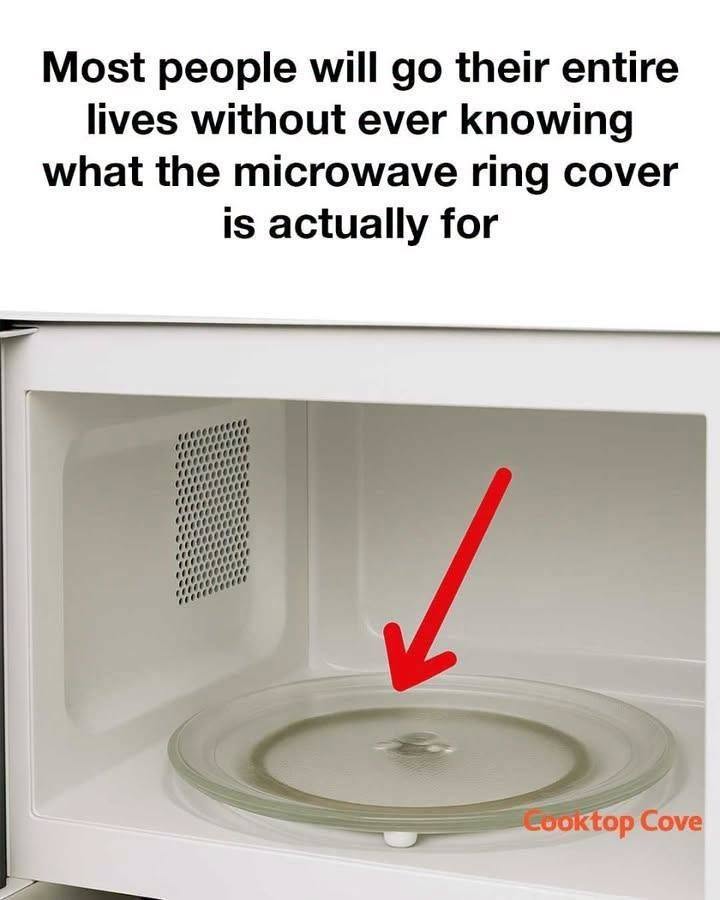
If you open your microwave and look closely
at the interior side wall or ceiling, you will notice a small,
unassuming rectangular panel. It looks remarkably like a thick piece of
gray cardboard or a stiff plastic sticker.
Because it resembles packing material, a
shocking number of people assume it’s just a piece of leftover shipping
trash and attempt to scrape or peel it off. Others go their entire lives
completely ignoring it, treating it as a background fixture of the
appliance.
But that little square isn’t cardboard at all,
and removing it—or letting it get too dirty—is one of the fastest ways
to permanently destroy a microwave. It is a waveguide cover, and it is one of the most critical safety components in the entire appliance.
What Does It Actually Do?
To understand the cover, it helps to know how a
microwave works. Deep inside the machine sits a high-powered vacuum
tube called a magnetron.
The magnetron generates the electromagnetic waves (the radiation) that
heat up food. These waves travel down a metal channel called a waveguide before shooting out into the cooking cabin.
The small panel sits directly over the opening of that channel. It has two vital jobs:
-
The Invisible Door: It is typically made of mica,
a naturally occurring mineral known for its incredible thermal and
electrical insulating properties. Mica is entirely “invisible” to
microwave energy, meaning the heat waves pass right through it into your
food with zero interference.
-
The Splash Guard: While it lets waves out, it absolutely refuses to let anything in.
When soup pops or a plate of leftovers splatters, this cover stops
airborne grease, food particles, and steam from entering the delicate
internal cavity of the waveguide channel.
What Happens If It Gets Damaged?
If food debris or cooking grease gets past
that barrier and builds up inside the metal waveguide channel, it
creates a massive hazard.
Under intense microwave energy, trapped food
particles inside the channel will become superheated. Because they are
trapped against metal surfaces, they will begin to cause electrical arcing—better
known as violent sparking and popping inside the machine. Left
unchecked, this arcing will burn through the interior paint,
short-circuit the machine, and permanently fry the magnetron, which is
the most expensive part of the appliance to replace.
How to Care For Your Hidden Shield
Because most people don’t know what this part
is, it rarely gets cleaned. Over time, it absorbs old grease, turns soft
or flaky, or develops black burn marks. Keeping it in good shape is
incredibly simple:
-
Wipe it Gently: During
regular kitchen cleanups, give the waveguide cover a gentle wipe down
with a damp microfiber cloth to remove grease build-up. Do not scrub
hard, use harsh chemicals, or use abrasive pads, as mica can crumble
under heavy pressure.
-
Know When to Replace It: If
the cover begins to spark, looks heavily charred, has a hole burned
through it, or feels soft and soggy, it needs to be replaced
immediately.
Fortunately, if it does break, it doesn’t mean
you need a new microwave. Replacement mica sheets are incredibly
inexpensive online. Many are pre-cut to match specific appliance models,
or they can be bought as blank sheets and trimmed with scissors using
the old cover as a trace template. Just remember: never run the
microwave while that little window is missing!