
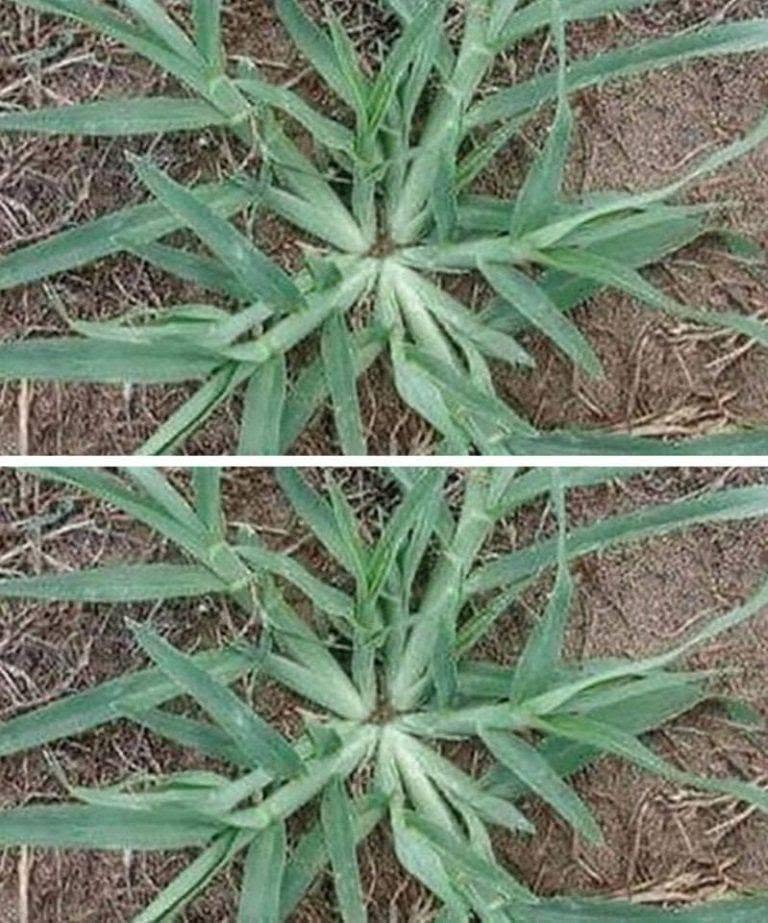
The next time you see a low-growing plant spreading across your garden, don’t be too quick to pull it out.
What looks like an ordinary weed may actually be purslane (Portulaca oleracea), an edible succulent that has been used as food in many parts of the world for generations. The article linked above identifies purslane as the plant behind this intriguing garden discovery.
What s Purslane?
Purslane is a small, spreading plant with fleshy leaves and reddish stems. It tends to grow close to the ground and can appear in gardens, paths, and other sunny areas.
Its succulent leaves allow it to retain water, which helps explain why it can remain surprisingly resilient during hot, dry weather.
The plant is also known by various local names, and the source describes it as a medicinal plant sometimes called “cat’s tongue.”
Why Do People Value This “Weed”?
Purslane isn’t simply something that happens to grow between garden plants.
It has been eaten traditionally in Mediterranean, Middle Eastern, Asian, and other cuisines. Its leaves and tender stems can be used raw or cooked.
Nutritionally, purslane is particularly interesting because it provides:
- Vitamin A
- Vitamin C
- Vitamin E
- Potassium
- Magnesium
- Calcium
- Iron
- Dietary fiber
- Plant-based omega-3 fatty acid ALA
It also contains various antioxidant compounds
A Fresh, Slightly Tangy Flavor
One reason purslane has remained popular as a food is its distinctive texture.
The leaves are crisp and succulent, while the flavor can have a mild tangy or lemon-like quality.
That makes it particularly good in fresh salads.
Try combining young purslane leaves with:
- Tomatoes
- Cucumber
- Red onion
- Olive oil
- Lemon juice
- Feta cheese
- Fresh herbs
The result is a simple salad with plenty of texture.