
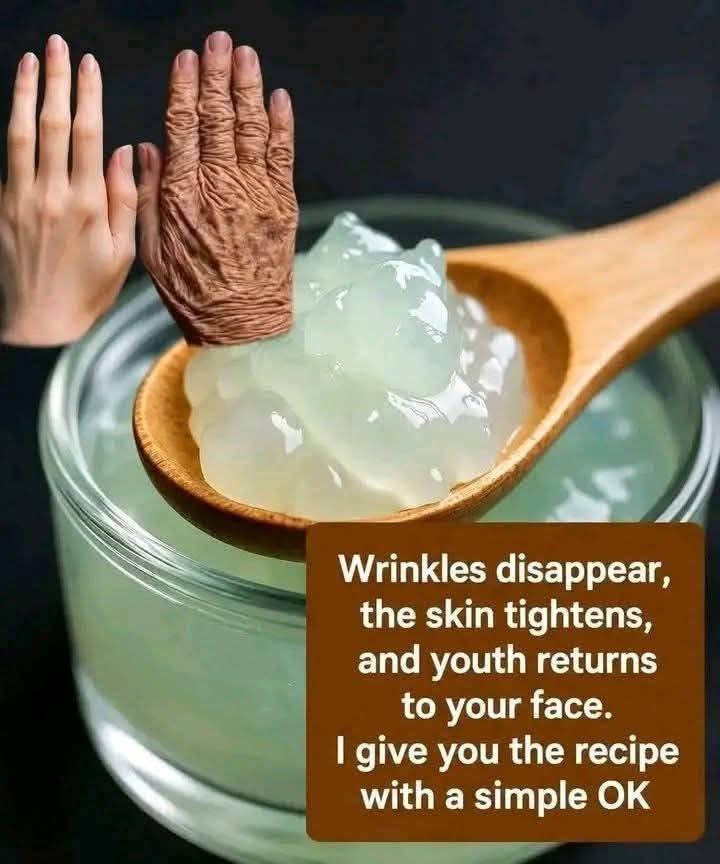
Aloe vera has been used for generations as a simple plant-based ingredient for skin care. Its clear inner gel is often used to provide a cooling, soothing feel, especially when the skin feels dry or irritated.
But while aloe vera can be a useful addition to a skin-care routine, some of the claims made about homemade aloe gel go far beyond what research actually supports.
What Makes Aloe Vera Interesting?
The inside of an aloe vera leaf contains a clear gel that is different from the yellowish latex found closer to the outer part of the leaf.
Research has found that topical aloe gel is generally well tolerated and may have benefits for certain skin concerns. Clinical research also suggests that topical aloe may help with burn healing and burn-related discomfort.
That doesn’t mean aloe is a miracle treatment, however. Evidence for many other popular skin-care claims remains limited.
How to Make Fresh Aloe Gel
If you have an aloe vera plant, you can prepare the inner gel carefully at home.
Choose a healthy, mature leaf and wash it thoroughly. Cut away the outer portions and allow the yellow latex to drain away. Then collect only the clear inner gel.
The gel can be blended until smooth and placed in a clean container.
Because homemade preparations don’t contain the preservatives found in many commercial products, they can spoil more quickly. Keeping the preparation clean and refrigerated is important, and making small batches can help reduce waste.
How to Use It on Your Skin
Apply a small amount of the clear gel to clean skin and allow it to sit comfortably.
Before applying it over a larger area, it’s sensible to test a small amount first. Although topical aloe is generally considered well tolerated, some people can experience burning, itching, rash, or eczema.
If irritation develops, stop using it.
What Aloe Vera Can—and Can’t—Do
Aloe vera may help provide a soothing, moisturizing sensation and has been studied for several skin-related applications. Small studies have also suggested possible benefits for acne when aloe is combined with other treatments.
However, there’s not enough reliable evidence to claim that homemade aloe gel can erase wrinkles, permanently lighten skin, cure every skin condition, or replace established medical treatments.
That’s an important distinction when using natural ingredients: natural doesn’t automatically mean proven or risk-free.
Be Careful With the Whole Leaf
One important point is that aloe products aren’t all the same.
Aloe gel comes from the inner part of the leaf, while aloe latex comes from the outer layer. Whole-leaf preparations can contain compounds that are not intended for casual use.
In particular, oral use of aloe latex can cause abdominal pain, cramps, and diarrhea, and oral aloe products can have additional safety concerns.
For a simple skin-care routine, the focus should therefore be on the clear inner gel rather than consuming raw aloe preparations.
The Bottom Line
Fresh aloe vera gel can be an inexpensive and simple ingredient for people who enjoy natural skin care. It may leave the skin feeling cool and soothed, and research supports some topical uses.
But it shouldn’t be treated as a miracle cure.